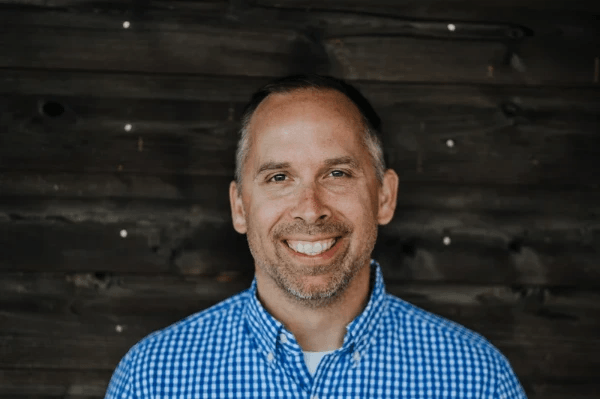

About Tracy
My work is grounded in helping people better understand themselves how they think, feel, and show up in their relationships.
Many of the people I work with are navigating patterns that feel stuck, whether that’s in communication, emotional expression, or the way they respond under stress.
My role is to provide a structured, supportive space to make sense of those patterns and begin moving forward with more clarity and intention.
Credentials & Experience
Licensed Mental Health Counselor | Washington StateLicense #: LH60980971
Education
- MA in Counseling Psychology | Bastyr University
- MS in Information Management | University of Washington
- BA in Sociology | The Evergreen State College
Clinical & Applied Experience
- The Bastyr Center for Natural Health | Fremont, WA
- Renton Area Youth & Family Services (RAYS) | Renton, WA
- Foster High School | Tukwila, WA
- Secondary Learning Center | Renton, WA
- PNW Family Therapy | Seattle, WA
- Mindful Therapy Group | Seattle, WA
Teaching, Supervision & Leadership
- Adjunct Clinical Supervisor | Bastyr Center for Natural Health
- Adjunct Faculty | Bastyr University
- Approved Supervisor | Washington State

Advanced Training & Certifications
- Certified Clinical Trauma Professional (CCTP)
- ADHD Certified Clinical Service Provider (CCSP)
- The Gottman Institute
- The Doherty Relationship Institute
- ISSA Certified Personal Trainer (CPT)
“I am not what happened to me,
I am what I choose to become.”
C.G. Jung
The Journey...
As a young boy I had no clue about my emotions and I let them run free. In hindsight, I have realized that I was out of touch with myself. I thought yelling, becoming frustrated, and throwing stuff was “normal." From those experiences I began a journey of shutting down my emotions, masking them, or only revealing them when I was completely alone. While I constantly tried to control my behavior, on unfortunate occasions, my bubble would burst and friends or family would witness the ugly in me come out.
As an adult, I have realized that I was not unique in terms of being a young boy experiencing big emotions and trying to find ways to ask for help. While I did have big emotions that were exhibited in uncomfortable ways I was not “bad” nor was I “broken.”
Unfortunately, over time I did learn the hard way about how emotions and feelings can impact your life and relationships in unhealthy ways. Which is what led me to seek knowledge, find support, and learn to embrace my emotions and feelings as an adult male in a healthy way.
The road from shutting down my feelings, expressing explosive unhealthy displays of emotions, and keeping my feelings silenced has evolved into a more healthy approach these days. Learning to recognize and manage my emotions as well as building the courage to express my feelings along with sharing them has been a long journey in self-exploration, education, and practice. A lot of practice….
It has also been a giant leap of faith, in terms of building my courage, to stand in front of others and express myself, and allow myself to be vulnerable. Opening up, asking for help, and communicating what I need has fostered deep and meaningful relationships that I could have never imagined, especially with my wife and children.
Therapeutic Approach
Most people don’t come to therapy because they lack effort they come because something feels stuck, unclear, or difficult to move through.
My approach is collaborative, structured, and grounded in helping you better understand what’s happening both internally and in your relationships so you can begin to respond in a more clear and intentional way.

How I Approach the Work
I see each person as an individual with their own experience, history, and way of processing the world. At the same time, we don’t exist in isolation.
Part of this work is understanding the broader context:
- Your relationships
- Family dynamics
- Stressors at work or in life
- Patterns that repeat over time
When relevant, we look at how these pieces connect so what you’re experiencing becomes more understandable and more workable.
A Collaborative Process
This is not a one-size-fits-all approach.
We work together to:
- Be intentional and review the gametape.
- Make sense of what’s happening.
- Identify patterns.
- Build practical ways to respond differently.
The goal is not just insight it’s being able to apply that understanding in real situations.
How I Work
(Without Overcomplicating It)
Rather than following one model, I draw from several evidence-based approaches and apply what is most useful to your situation.
This includes:
- Cognitive and behavioral strategies
- Emotion-focused work
- Solution-oriented frameworks
- Strength-based and values-driven approaches
If helpful, I also integrate elements from:
- The Gottman Method
- Emotionally Focused Therapy (EFT)
- Rational Emotive Behavioral Therapy (REBT)
- Cognitive Behavioral Therapy (CBT)
- Acceptance and Commitment Therapy (ACT)
- Motivational Interviewing (MI)
These are tools not the focus.
The focus is helping you:
- Understand your experience.
- Communicate more effectively.
- Work through patterns in a practical way.
What This Work Leads To
- Greater clarity around what you’re experiencing
- More confidence in how you communicate
- A better understanding of relationship patterns
- The ability to respond more intentionally instead of reactively
Most people don’t need more information they need a clearer way to understand and work with what’s already happening. That’s what this process is designed to support.
Copyright 2015


